 Italiano
  English
| 0 Comments | James Whitfield
A Masonic lodge is the fundamental unit of Freemasonry, the local body where members meet, confer degrees, and conduct the fraternity’s business. The word “lodge” predates the modern fraternity by centuries, rooted in the temporary shelters medieval stonemasons erected beside cathedral construction sites. When the first Grand Lodge was constituted in London on June 24, 1717, it did not create the lodge concept; it standardized and federated lodges that already existed. Today, the Grand Lodge of England‘s official records recognize thousands of constituent lodges worldwide, and the Masonic Service Association of North America estimates more than 1,100 lodges operating across the United States alone. Yet despite their ubiquity, Masonic lodges remain widely misunderstood, alternately imagined as secret cabals or dismissed as little more than dinner clubs for older men. Neither characterization survives close examination. This article traces the lodge from its operative origins through its speculative transformation, explains how lodges are organized and governed, describes what actually happens at a meeting, and addresses the persistent myths that obscure a straightforward institutional history.
What Is a Masonic Lodge?
A Masonic lodge is the fundamental chartered unit of Freemasonry, functioning simultaneously as an organized body of members and as the physical space where those members convene. Every Freemason belongs to a specific lodge, not to the broader fraternity in the abstract. Each lodge operates under a formal warrant issued by a Grand Lodge, without which it holds no recognized standing.
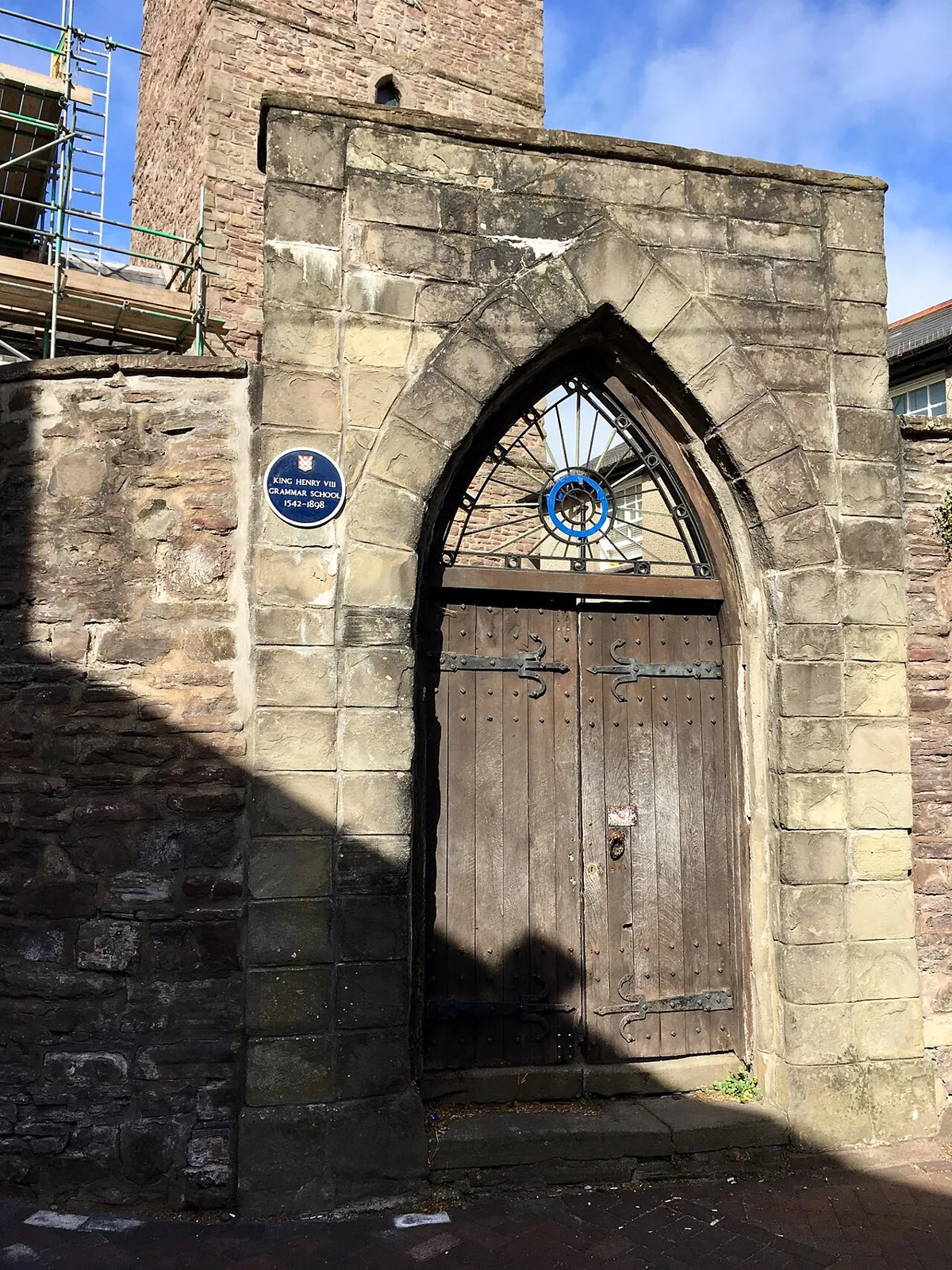
The word “lodge” has carried this dual weight since at least the operative stonemason guilds of medieval Europe, where it described both the workshop built against a cathedral wall and the brotherhood of craftsmen who labored inside it. That ambiguity was inherited wholesale by speculative Freemasonry when the first Grand Lodge was constituted in London on June 24, 1717. Today the term still moves freely between meanings depending on context: a Mason might say he “belongs to a lodge” (the organization) or that the ceremony was held “in the lodge” (the room), and both usages are technically precise. Most jurisdictions recognize only lodges of men, though co-Masonic and women-only bodies exist in several countries and will be addressed later in this article.
The Lodge as Organizational Unit
Each lodge is a self-governing body, chartered by its Grand Lodge and identified by a proper name and a number on the Grand Lodge register. The numbering system matters more than it might appear: it establishes seniority, tracks a lodge’s unbroken warrant, and allows researchers to trace institutional lineage back centuries. Fredericksburg Lodge No. 4 in Virginia still holds the same warrant under which George Washington was initiated in 1752, making its register entry a primary historical document.
Governance follows a standard elected-officer structure. A Worshipful Master presides, supported by a Senior Warden and a Junior Warden, a Treasurer, a Secretary, and a series of ceremonial officers whose titles (Deacon, Steward, Tyler) descend directly from the vocabulary of operative craft guilds. Officers are elected annually by the lodge’s own members, giving each lodge a degree of democratic self-determination that sits somewhat surprisingly inside what outsiders often imagine as a rigidly hierarchical institution. The Grand Lodge above it sets doctrine and Masonic law; the lodge itself manages its own affairs within those boundaries.
The Lodge as Physical Space
The lodge room is designed to function as a three-dimensional allegory. Its layout follows a consistent symbolic geography regardless of whether the building is a purpose-built Masonic temple or a rented hall. The East, where the Worshipful Master sits, represents wisdom and the rising sun. The West and South are assigned to the Senior and Junior Wardens respectively, completing a solar circuit that frames every meeting as a symbolic passage from darkness to light.
Three columns or pillars, typically labeled Wisdom, Strength, and Beauty, mark the officers’ stations and reference the three principal supports that Masonic ritual assigns to the fraternity. At the center of the room stands the altar, on which the lodge’s Volume of Sacred Law rests open during all formal proceedings. Alongside it sit the square and compasses, the most recognizable instruments in Masonic symbolism. Tracing boards, painted panels depicting the symbols of each of the three craft degrees, hang or stand in the room as visual teaching aids, a practice documented in lodge inventories as far back as the early eighteenth century. The architecture, in short, is not decorative. It is the first lesson.
History and Origins of Masonic Lodges
From Operative to Speculative: The 17th-Century Shift
The word “lodge” originally described something entirely practical: a temporary shelter erected at a building site where medieval stonemasons stored their tools, took meals, and resolved disputes according to guild rules. The Regius Manuscript, dated to approximately 1390 and held in the British Library, is the earliest surviving written evidence of organized Masonic practice. It sets out a code of conduct for operative craftsmen, covering everything from proper behavior toward a master to the obligation not to poach a fellow mason’s work. These were trade regulations, not philosophical allegories. The lodge was, in the most literal sense, a job site.
The transformation began quietly in the late 17th century, when English lodges started admitting men who had no connection to the building trades. These “accepted” Masons, as they came to be called, were gentlemen, scholars, and minor aristocrats drawn to the lodge’s ritual framework and its culture of confidential discussion. The antiquarian Elias Ashmole recorded his own initiation into a lodge at Warrington on October 16, 1646, making his diary entry one of the earliest firsthand accounts of a non-craftsman joining. By the 1680s and 1690s, London lodges were meeting in taverns rather than on building sites, and the proportion of working stonemasons in attendance had dropped sharply. The craft’s vocabulary, with its squares, compasses, and plumb lines, remained intact. The purpose had shifted from trade regulation to moral philosophy.
Historical Evolution of Lodge Practices
The founding moment of modern speculative Freemasonry is conventionally dated to June 24, 1717, when four London lodges convened at the Goose and Gridiron Alehouse in St. Paul’s Churchyard and constituted the Premier Grand Lodge of England. This body introduced centralized governance, standardized ritual language, and the concept of a Grand Lodge as an overarching authority to which individual lodges owed formal recognition. James Anderson’s Constitutions of 1723 codified the obligations and landmarks that lodges were expected to observe, giving the fraternity its first widely circulated governing document.
The 18th century was not a period of smooth institutional unity. By the 1750s, a rival body calling itself the Grand Lodge of the Antients had formed, accusing the Premier Grand Lodge of departing from authentic lodge traditions. The two bodies operated in parallel for decades, each recognizing its own affiliated lodges and disputing the legitimacy of the other’s degrees. That rivalry ended on December 27, 1813, when the two Grand Lodges merged to form the United Grand Lodge of England (UGLE), the governing body that continues to set the standard for mainstream Anglo-American lodge practice today. The merger agreement, known as the Articles of Union, established the three-degree structure (Entered Apprentice, Fellow Craft, and Master Mason) as the definitive framework for Masonic lodges, settling a debate that had persisted for more than half a century. Across the Atlantic, Masonic lodges in America had already proliferated rapidly through the colonial and revolutionary periods, each operating under a warrant from one of the competing English or Irish Grand Lodges, and they carried those institutional divisions with them into the new republic.
Types of Masonic Lodges and Rites
Freemasonry is not a single, uniform institution. Across roughly three centuries of organized existence, it has produced a wide range of lodge types differentiated by the ritual system they practice, the gender policies they observe, and whether they hold recognition from a mainstream Grand Lodge. Understanding these distinctions matters before attempting to navigate any list of Masonic lodges or assess what membership in a specific body actually entails.
| Rite | Primary Jurisdiction | Number of Degrees | Notable Characteristics |
|---|---|---|---|
| York Rite | United States, United Kingdom | 3 (Craft) + additional bodies up to Royal Arch | Encompasses Chapter, Council, and Commandery bodies; strong presence in American Masonic lodges in America |
| Scottish Rite | United States, Latin America, continental Europe | 4-32, plus an honorary 33rd | Governed in the US by two Supreme Councils (Northern and Southern Jurisdictions); degrees are conferred in reunion cycles |
| Emulation Rite | England and Wales | 3 (Craft) | Standardized working approved by the United Grand Lodge of England; emphasizes precise ritual memorization |
| French (Modern) Rite | France, francophone jurisdictions | 7 | Developed in the late 18th century; associated with the Grand Orient de France, which removed the requirement of belief in a Supreme Being in 1877 |
The rite a lodge works determines the structure of its ceremonies, the number of Freemasonry degrees it confers, and in some cases the theological premises it operates under. A lodge working the Emulation Rite in London and a lodge working the Scottish Rite in New Orleans are both practicing Freemasonry, but their ritual vocabularies differ considerably. Neither is more “authentic” than the other; they represent parallel traditions that developed in different national contexts.
Regular vs. Irregular Lodges: What the Distinction Means
The terms regular and irregular (sometimes clandestine) describe a lodge’s standing within the international framework of recognized Freemasonry, not the quality of its ceremonies. The United Grand Lodge of England, which functions as a de facto benchmark for recognition worldwide, sets out formal criteria in its Basic Principles for Grand Lodge Recognition. These include a requirement that every lodge work under a warranted Grand Lodge, that candidates profess belief in a Supreme Being, and that the Volume of the Sacred Law be open during lodge proceedings. A lodge or Grand Lodge that departs from these criteria risks losing recognition, which carries a practical consequence: members of regular lodges are generally prohibited from visiting irregular ones, and vice versa. The Grand Orient de France has not been recognized by the United Grand Lodge of England since 1877, precisely because of its removal of the theological requirement. This matters for lodge membership requirements and for the portability of a member’s Masonic standing across jurisdictions.
“Clandestine” carries a harsher implication than “irregular.” Mainstream Masonic authorities reserve it for bodies that actively misrepresent themselves as regular, rather than simply operating outside the recognition framework. Most irregular lodges do not hide their status; they operate under a different set of governing principles.
Women in Freemasonry and Co-Masonic Lodges
Mainstream Grand Lodges, including the United Grand Lodge of England and the major American Grand Lodges, restrict membership to men. This policy is longstanding and rooted in the operative guild traditions from which speculative Freemasonry claims descent. Parallel organizations have existed for well over a century, however. Co-Masonic lodges, which admit both men and women, are represented internationally by Le Droit Humain, founded in Paris in 1893 when Maria Deraismes was initiated into a French lodge and subsequently co-founded a mixed-gender order with Georges Martin. Separately, the Order of Women Freemasons, established in the United Kingdom in 1908, operates lodges exclusively for women and works the same degrees as mainstream male lodges. Neither body holds recognition from the United Grand Lodge of England or its affiliated Grand Lodges, which means their members and male mainstream Masons cannot formally visit each other’s lodges. These organizations exist, they have documented histories, and they practice recognizable Masonic ritual. Whether mainstream bodies should extend recognition to them is a question those bodies continue to debate internally, and it falls outside the scope of historical description.
Lodge Organization and Structure
Officers and Leadership Roles
A functioning lodge operates through a defined set of elected and appointed officers, each carrying both a practical responsibility and a symbolic role rooted in the operative stonemason tradition the fraternity claims as its allegorical heritage. At the head sits the Worshipful Master, the lodge’s presiding officer for a one-year term. The title can mislead modern readers: “worshipful” here is archaic English for “honorable,” the same usage found in the formal address of English mayors and judges. No religious veneration is implied. Below the Worshipful Master, two elected deputies help govern the lodge room: the Senior Warden, who oversees proceedings when the Master is absent and traditionally superintends the Fellow Craft degree, and the Junior Warden, responsible for the brethren’s welfare during refreshment periods and associated with the Entered Apprentice degree. The Secretary maintains records, correspondence, and dues collection; the Treasurer manages lodge finances under bylaws approved by the Grand Lodge. Appointed officers fill the remaining ceremonial and logistical posts. Deacons (Senior and Junior) serve as messengers and escorts during ritual work, guiding candidates through the degree ceremonies. Stewards manage hospitality, particularly the festive board or lodge dinner that follows formal meetings in many jurisdictions. The Tyler, sometimes spelled Tiler, stands outside the lodge room door, armed with a sword in ceremonial tradition, to ensure that only properly credentialed members enter. Each office, even the most logistical, carries a layer of symbolic meaning that the lodge’s ritual instruction is designed to illuminate over time.
The Relationship Between a Lodge and Its Grand Lodge
Individual lodges do not exist in isolation. Every warranted lodge holds its charter from a Grand Lodge, the sovereign governing body for a given state or nation. In the United States, each of the fifty states maintains its own Grand Lodge, a structure dating to the formation of the Grand Lodge of Virginia in 1778 and the subsequent proliferation of state-level bodies as the republic expanded westward. This federated arrangement gives individual lodges considerable autonomy in day-to-day affairs: they set their own meeting schedules, elect their own officers, and manage their own finances within the parameters of Grand Lodge-approved bylaws. On matters of greater constitutional weight, the Grand Lodge is the final authority. It issues and can revoke charters, establishes the ritual standards that all subordinate lodges must follow, sets minimum membership requirements, and serves as the appellate body when disciplinary disputes cannot be resolved locally. The United Grand Lodge of England, founded on June 24, 1717, operates on the same federated principle at the national level, as does the Grand Lodge of Scotland, established in 1736. Grand Lodges also control the question of recognition: a lodge whose parent Grand Lodge is not recognized by another Grand Lodge is, by that second body’s standards, “irregular,” and its members cannot visit or participate in recognized lodges. This recognition framework is the primary mechanism through which regular and irregular lodges are distinguished, a distinction that carries real consequences for how broadly a lodge’s membership credentials are accepted across jurisdictions worldwide.
Want to learn more?
Lodge Meetings, Rituals, and the Three Degrees
A Masonic lodge meeting is, at its core, a business meeting conducted inside a ceremonial frame. The Masonic Service Association reports that the typical lodge convenes eight to ten times per year, with stated (regular) meetings held on a fixed calendar and additional called meetings scheduled specifically for degree work. A stated meeting follows a recognizable parliamentary agenda: the lodge opens with a formal ceremony, proceeds through the reading of minutes, financial reports, and correspondence, then moves to balloting on petitions from candidates before closing with another prescribed ceremony. The ritual wrapper around that governance is not theater for its own sake. It reinforces the fraternity’s central premise that ordinary civic and moral duties carry weight worth marking with deliberate attention.
The three degrees of Craft Freemasonry, Entered Apprentice, Fellowcraft, and Master Mason, form the universal foundation of the system practiced in every recognized lodge worldwide. Each degree is delivered as a scripted dramatic presentation, drawing on the allegorical construction of Solomon’s Temple as described in the Hebrew scriptures. The candidate moves through each degree in sequence, and the narrative grows progressively more elaborate. The third degree, Master Mason, centers on the legend of Hiram Abiff, the Temple’s chief architect, and his fate at the hands of three assailants who sought to extract the secrets of a Master Mason by force. Historian Mark Tabbert, in his work on American Freemasonry, has noted that the legend functions as a morality allegory about integrity under duress, not as a claim to historical fact. The degrees are not secret in the sense that their existence is hidden; the ritual content is confidential, but the overall structure has been documented extensively in published exposés dating back to the 1720s.
What the Number 3-5-7 Means in Masonic Ritual
The sequence 3, 5, and 7 appears repeatedly in lodge ritual and is one of the more frequently searched questions about Masonic practice. The practical explanation is structural: these numbers correspond to the minimum number of officers required to open each of the three degrees respectively. A lodge cannot open in the First Degree (Entered Apprentice) without at least three officers present; the Second Degree (Fellowcraft) requires five; the Third Degree (Master Mason) requires seven. The numbers also carry symbolic resonance within the ritual’s allegorical system, referencing architectural proportions associated with classical antiquity and, in some ritual texts, the steps of a Pythagorean staircase. The symbolism is described within the lodge as illustrative of moral and philosophical principles, not numerological magic. Ritual monitors published by American grand lodges confirm this reading explicitly.
Beyond the numerical minimum, each degree has a full complement of officers with distinct titles and functions: the Worshipful Master presides from the East, the Senior and Junior Wardens sit in the West and South respectively, and a range of deacons, stewards, and a tyler (the officer who guards the outer door) fill supporting roles. This officer structure mirrors, in miniature, the guild hierarchy that Masonic tradition claims as its symbolic ancestry.
Lodge Facilities, Architecture, and Social Events
The physical building where a lodge meets is commonly called a temple or hall, though the terminology varies by region. Many older American lodge buildings, particularly those constructed between 1880 and 1930, display neoclassical or Egyptian Revival architectural details: columns referencing Jachin and Boaz (the twin pillars of Solomon’s Temple), mosaic tile floors in black and white, and a ceiling sometimes painted to represent the celestial canopy. These features are deliberate extensions of the ritual symbolism into built space, intended to reinforce the allegorical environment of the lodge room itself. Architecturally significant lodge buildings survive in cities from Boston to San Francisco, and several are listed on the National Register of Historic Places.
The lodge’s social dimension is often overlooked in discussions focused on ritual. Most lodges organize dinners before or after stated meetings, charitable fundraisers open to the wider community, and family nights that include members’ spouses and children. These events sustain membership engagement in the long stretches between degree work and keep the lodge financially viable. The distinction between the tyled lodge (the formal, members-only ritual meeting) and the social activities surrounding it matters. Critics who characterize the fraternity as purely secretive tend to ignore the considerable portion of lodge life that takes place in full public view, over a potluck dinner or a pancake breakfast.
Masonic Lodges in America: Geographic Distribution and State Grand Lodges
The United States has no single national Grand Lodge. Each state operates its own sovereign Grand Lodge, and Washington, D.C. maintains a separate one, bringing the total to 51 recognized jurisdictions across the country. These bodies function independently, each setting membership requirements, approving ritual variations, and maintaining its own roster of subordinate lodges. The arrangement reflects the decentralized character of American civic life, which means a lodge in rural Kentucky and one in downtown San Francisco operate under entirely different governing documents, even while sharing the same foundational degrees and obligations.
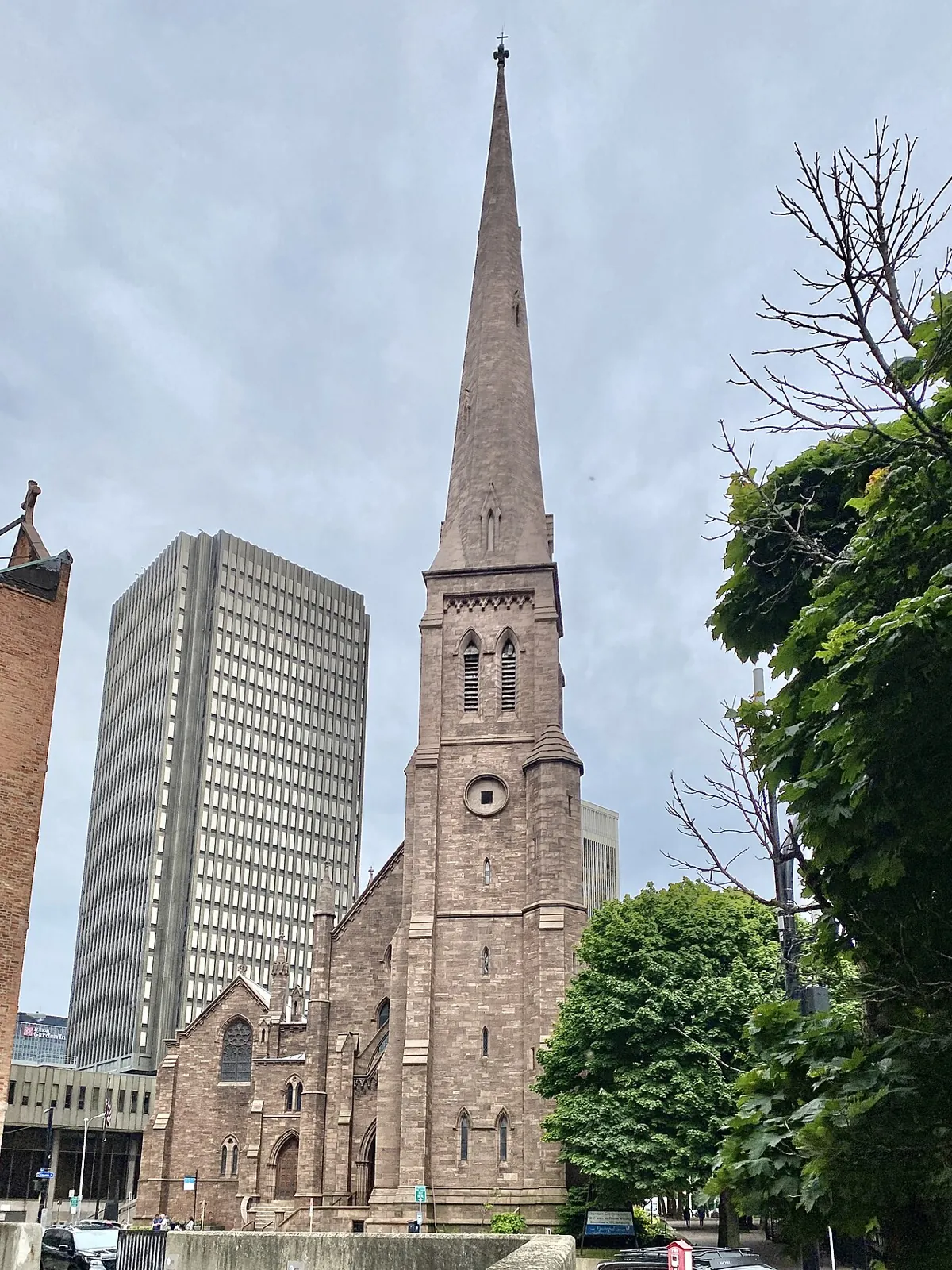
The Masonic Service Association of North America tracks membership trends across these jurisdictions, and the numbers tell a striking story. US membership peaked at roughly 4 million in the 1950s, when fraternal organizations of all kinds enjoyed exceptional popularity. Today that figure stands at approximately 1 million active members distributed across thousands of lodges, a decline that mirrors broader trends in civic association membership documented by Robert Putnam in Bowling Alone (2000). Historically dense states include Virginia, home to Fredericksburg Lodge No. 4 where George Washington was initiated in 1752, and Pennsylvania, site of the oldest continuously operating lodge in the country. Ohio, Michigan, and Florida round out the states with the largest concentrations of active lodges, a distribution that tracks closely with population centers and 19th-century settlement patterns in the Midwest and South.
How to Find a Masonic Lodge Near You
Locating a lodge is straightforward in practical terms. Every state Grand Lodge maintains a public directory of its chartered lodges, typically searchable by city or county on the Grand Lodge’s official website. The Masonic Service Association of North America also provides a jurisdiction-by-jurisdiction directory at msana.com, which links directly to each Grand Lodge’s contact page. Many lodges also hold open-house events, particularly around Masonic anniversaries in late June, offering an informal introduction to the lodge building and its members with no obligation or formal petition required.
Searching “lodge near me” will surface results of varying reliability. The most accurate information comes from the official Grand Lodge directory of the relevant state, not from third-party listing aggregators, which are frequently out of date. Lodge contact details change when officers rotate annually, so a direct call or email to the Grand Lodge secretary’s office is the most dependable approach for current meeting schedules or membership information. For those simply curious about the physical spaces, many historic lodge buildings are listed on the National Register of Historic Places and open to the public as architectural landmarks, entirely separate from any fraternal activity inside.
Membership, Dues, and the Joining Process
Eligibility for membership in mainstream US Masonic lodges rests on three requirements: the candidate must be an adult male (typically at least eighteen years old, though some jurisdictions set the minimum at twenty-one), must be of good moral character as judged by existing members, and must profess a belief in a Supreme Being. That last requirement is deliberately non-sectarian. The specific deity, faith tradition, or theological framework is left entirely to the candidate. A Christian, a Muslim, a Jew, a Deist, and a Sikh can in principle sit in the same lodge room, provided each affirms some form of divine governance of the universe. Avowed atheists are not eligible under the constitutions of most grand lodges in the United States, a position the United Grand Lodge of England has maintained since at least the 1723 Constitutions of the Free-Masons compiled by James Anderson.
The joining process follows a sequence that has remained largely consistent for more than two centuries. A prospective member submits a petition to the lodge, naming two current members willing to sponsor him. A committee then conducts a background investigation, interviewing the candidate and, in some jurisdictions, his references. The full lodge membership votes by secret ballot, historically conducted with actual black and white balls dropped into a box. Under the traditional rule, a single negative vote (the “black ball,” which gave English the verb “to blackball”) was sufficient to reject a petition, though many jurisdictions have since revised the threshold to two or three negative votes. If the ballot is favorable, the candidate is initiated through the three symbolic degrees of Entered Apprentice, Fellow Craft, and Master Mason, each conferred in a separate lodge meeting with its own ritual, obligation, and working-tool symbolism. The full sequence from petition to Master Mason can take anywhere from a few months to over a year, depending on the lodge’s meeting schedule and the candidate’s availability.
Cost of Membership and Dues Structure
Financial obligations in American lodges are modest by most fraternal-organization standards, but they vary enough that any figure cited here should be treated as a general range. A one-time initiation fee covering all three degrees typically runs between $100 and $300 in most jurisdictions, though lodges in major metropolitan areas sometimes charge more. Annual dues, which fund operating costs, building maintenance, and charitable activities, generally fall between $100 and $400 per year across the United States, according to figures reported by individual grand lodge secretaries. Lodges affiliated with historic buildings or active social programs tend toward the higher end of that range.
Members who later seek admission to appendant bodies (organizations that confer additional degrees beyond the third, such as the Scottish Rite or the York Rite) pay separate dues to each body they join. Those fees are entirely optional and are not required for full standing as a Master Mason. The lodge secretary is the authoritative source for the precise initiation fee and annual dues of any specific lodge, since grand lodges do not publish a uniform national rate. The dues model was built to keep the fraternity accessible across a broad economic range, a principle traceable to the craft guild origins that inform so much of its lodge organization and structure.
Common Misconceptions About Masonic Lodges
Few institutions attract as many confident mischaracterizations as Freemasonry, and most cluster around three persistent myths: that the fraternity operates in secret, that it functions as a competing religion, and that it sits at the center of some coordinated global power structure. Each claim collapses under modest scrutiny.
The “secret society” label is the easiest to dispatch. Masonic lodges are listed in public telephone directories, maintain websites, and in many jurisdictions post signage on their buildings. The Masonic Service Association of North America publishes lodge locators openly. Members wear lapel pins, display emblems on vehicles, and routinely identify themselves. What lodges do protect is the specific wording of certain ritual obligations and the modes of recognition used between members, a practice closer to a professional guild’s trade confidence than to any operational secrecy. An organization that advertises its address and publishes its annual charitable disbursements is not, by any reasonable definition, hidden.
The conflation of Freemasonry with the Bavarian Illuminati deserves equal precision. The historical Illuminati was founded on May 1, 1776, by Adam Weishaupt, a professor of canon law at the University of Ingolstadt. The Elector of Bavaria banned the organization in 1785; it had effectively ceased to exist by 1787. While a small number of individuals held membership in both organizations simultaneously, the two were structurally, philosophically, and organizationally distinct. No credible historical record documents a merger, a coordinating body, or a shared chain of command. The conspiracy narrative that fuses the two relies on the coincidence of overlapping membership, a standard that would implicate virtually every learned society operating in late eighteenth-century Europe.
Is the Masonic Lodge Religious?
This question deserves a careful answer. Freemasonry requires candidates to profess belief in a Supreme Being, but it prescribes no specific theology, recognizes no particular scripture as authoritative, and employs no ordained clergy. The lodge room contains a Volume of the Sacred Law, which may be a Bible, a Torah, a Quran, or another text depending on the member taking an obligation, a practice that underscores the fraternity’s deliberately non-sectarian structure. The United Grand Lodge of England’s Book of Constitutions states explicitly that discussion of religion and politics is prohibited at lodge meetings, precisely to prevent the fraternity from becoming an arena for sectarian dispute.
The Catholic Church’s position is more nuanced than popular accounts suggest. Canon 1374 of the 1983 Code of Canon Law prohibits Catholics from joining associations that plot against the Church, and a 1983 declaration from the Congregation for the Doctrine of the Faith, then headed by Cardinal Joseph Ratzinger, affirmed that Catholics who enroll in Masonic associations are in a state of grave sin. The Church’s objection rests primarily on concerns about religious indifferentism (the implication that all religious paths are equivalent) and the binding nature of Masonic oaths, not on any claim that Freemasonry is itself a religion. Some Protestant denominations and certain Islamic scholars have raised similar concerns through their own doctrinal frameworks. Reporting these positions accurately does not require endorsing any of them; the fraternity maintains that its requirement of theistic belief is a moral threshold, not a theological statement, and that members remain free to practice their own faith without interference from the lodge.
FAQ
What happens at a Masonic lodge meeting?
A typical stated meeting opens and closes with a brief ceremonial ritual, then moves through standard organizational business: reading the minutes, reviewing finances, voting on membership petitions, and scheduling upcoming degree work. The Masonic Service Association describes this format as combining “the formality of a deliberative assembly with the symbolism of an initiatic tradition.”
When a candidate is being initiated, a scripted allegorical presentation known as the degree ceremony replaces or supplements the regular business agenda. The tone is formal throughout. Members are expected to arrive on time, address the presiding officer by title, and observe the procedural customs of the jurisdiction.
How much does it cost to join a Masonic lodge?
Costs vary by jurisdiction and by individual lodge. In most US jurisdictions, a one-time initiation fee falls between $100 and $300, with annual dues typically ranging from $100 to $400. These figures cover the three-degree conferral and ongoing membership in the local body.
Members who later join appendant bodies, such as the Scottish Rite or York Rite, pay separate fees to those organizations. For current figures specific to any given lodge, the lodge secretary is the authoritative source. Published ranges online are useful for budgeting but should not substitute for a direct inquiry.
Can women join Masonic lodges?
Mainstream Grand Lodges in the US and UK restrict membership to adult males. Several parallel organizations, however, confer the same three degrees in mixed-gender or women-only settings. Le Droit Humain, a co-Masonic order founded in France in 1893, admits both men and women. The Order of Women Freemasons, established in England in 1908, operates as an exclusively female body.
Neither organization is recognized by mainstream Grand Lodges, but both operate openly, maintain their own charters, and follow recognizable degree structures. The distinction is jurisdictional and administrative, not a judgment on the legitimacy of either tradition.
What are the three degrees of Freemasonry, and what do they mean?
The three degrees are Entered Apprentice (first degree), Fellowcraft (second degree), and Master Mason (third degree). Each is conferred through an allegorical dramatic presentation loosely based on the construction of Solomon’s Temple and the legend of the architect Hiram Abiff. The progression is understood as a sequence of moral and philosophical instruction, not religious initiation.
Full membership rights, including the right to vote on lodge business and petitions, are granted upon reaching the Master Mason degree. The Entered Apprentice and Fellowcraft degrees are preparatory stages, each with their own obligations, symbols, and working-tool lectures.
What is the difference between a lodge and a Grand Lodge?
A lodge is the local body where members meet, confer degrees, and conduct fraternal business. It operates under a charter issued by a governing authority. A Grand Lodge is that governing authority for a given jurisdiction, typically a single US state or a nation. It sets ritual standards, grants or revokes lodge charters, and manages relations with other Grand Lodges internationally.
One point that surprises many newcomers: there is no single international Grand Lodge above them all. Each Grand Lodge is sovereign within its own jurisdiction, and inter-jurisdictional recognition is negotiated bilaterally, based on criteria each body sets for itself.
