 Italiano
  English
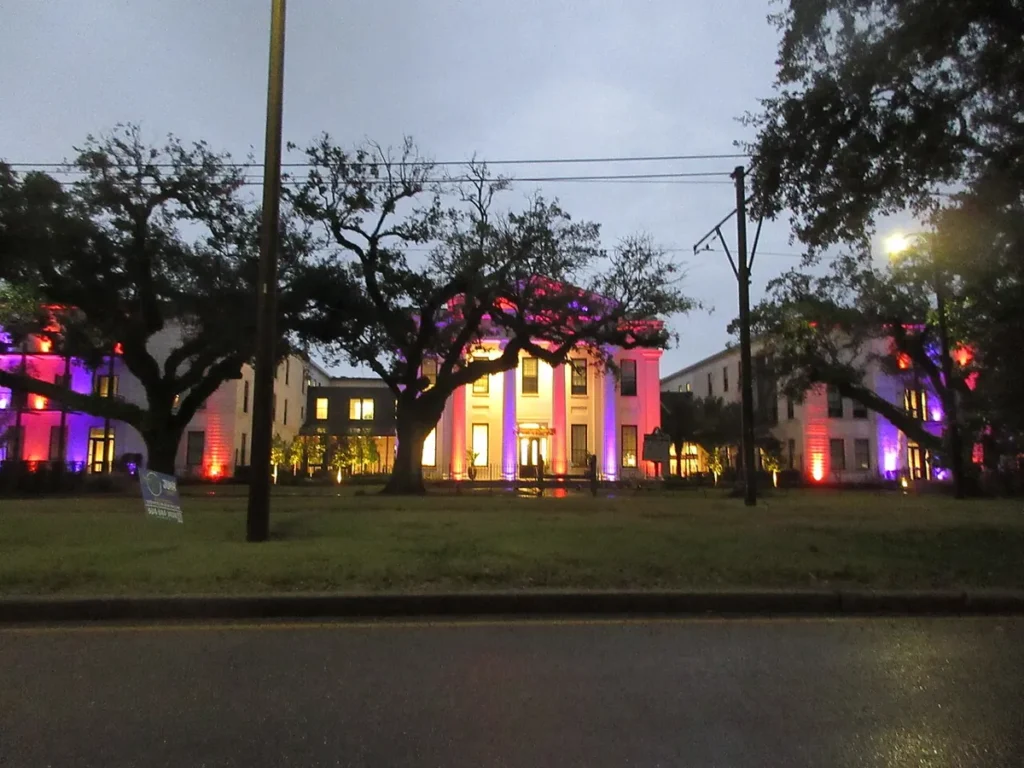
Masonic homes have operated as one of American Freemasonry’s most enduring philanthropic institutions for well over a century. Long before Medicare or the modern senior living industry existed, Masonic grand lodges were building and funding residential communities to care for aging members, their spouses, and in many cases their widows and dependents. Today, dozens of these facilities operate across the United States, from the Masonic Homes of California, with campuses in Union City and Covina, to the Masonic Homes of Kentucky in Louisville and Elizabethtown. They range from independent living apartments to skilled nursing and memory care units, and they are regulated by the same state and federal standards that govern any licensed care facility. What sets them apart is the charitable philosophy behind them: a fraternal commitment, codified in Masonic obligation, to look after those who can no longer look after themselves. This article maps the history, structure, and practical realities of Masonic elder care, including who can live in a Masonic home, what it costs, and how to locate one.
What Are Masonic Homes?
Masonic homes are residential care communities established, funded, and governed by Masonic grand lodges or their affiliated charitable foundations. These facilities serve older adults, primarily Freemasons and their families, across a continuum of care that ranges from independent living to skilled nursing. Most operate as nonprofit organizations and hold full state licensure.
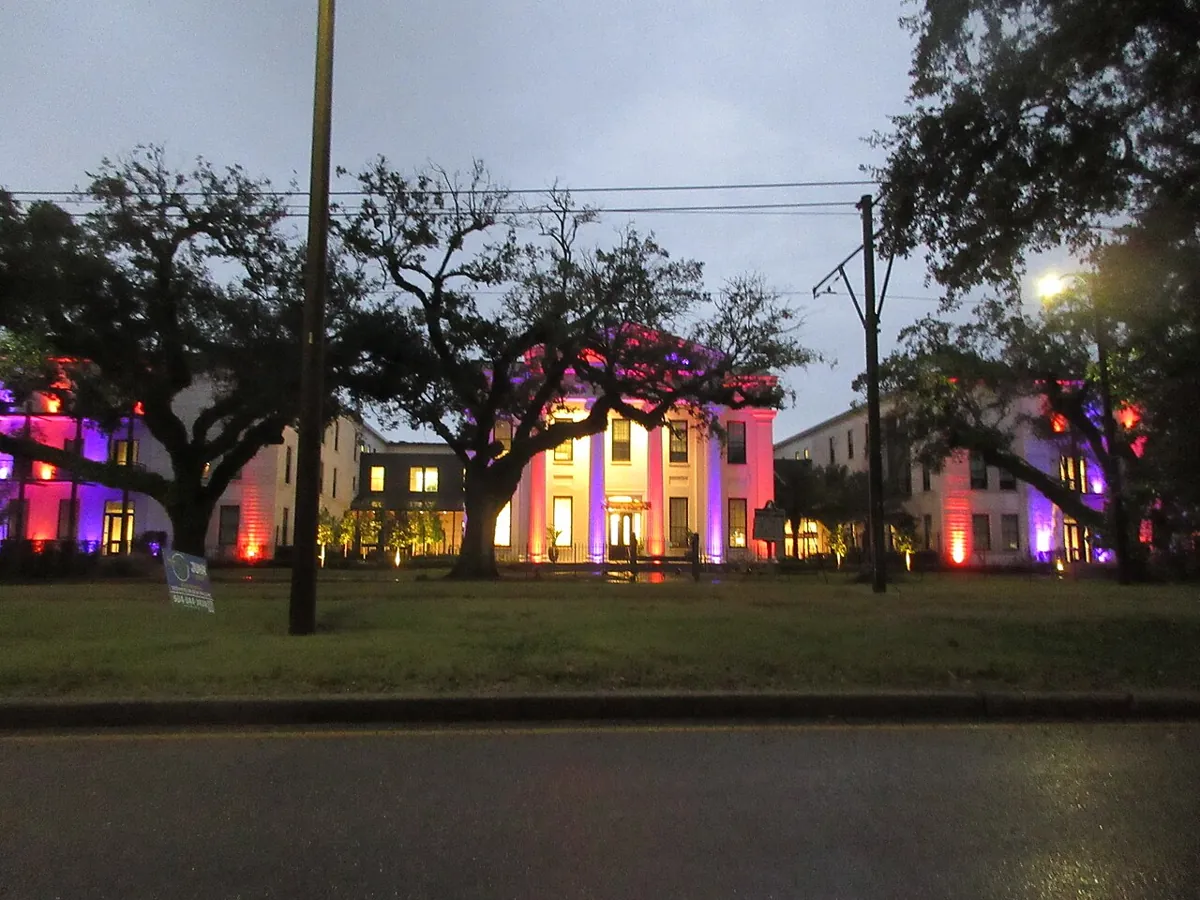
The scope of services inside a typical Masonic care community goes well beyond a single care level. Independent living cottages or apartments sit alongside assisted living wings, memory care units, short-term rehabilitation programs, and long-term skilled nursing facilities, all under one organizational umbrella. A resident who enters as an active retiree can, in principle, age through every stage of care without changing address or provider. That kind of continuity is uncommon in the broader senior living market, where transitions between care levels often mean transfers to entirely different facilities run by different operators.
The fraternal name sometimes misleads first-time researchers into treating these communities as private clubs with informal admission processes. That picture is outdated. Modern Masonic elder care facilities are licensed and regulated by state health departments and, where applicable, by federal agencies including the Centers for Medicare and Medicaid Services. They file the same inspection reports, meet the same staffing ratios, and face the same survey cycles as any comparable nonprofit nursing facility. The Masonic affiliation shapes governance, funding priorities, and eligibility criteria. It does not exempt a facility from the regulatory framework that governs all licensed senior care in the United States.
The Charitable Mission: How Freemasonry Built a Senior Care Network
Freemasonry’s commitment to caring for its aged and distressed members is not a modern amenity. It is a constitutional obligation. The fraternity’s foundational documents, including the 1723 Constitutions of the Free-Masons compiled by James Anderson, charge lodges to relieve the needs of worthy brethren. By the mid-1800s, state grand lodges across the United States had formalized this obligation into structured relief funds, collecting dues and donations specifically to support members who could no longer support themselves. The network of facilities that exists today grew directly from that early bookkeeping.
Masonic Values as a Care Philosophy
Three fraternal principles appear in virtually every Masonic catechism: relief, truth, and brotherly love. Masonic care communities translate these into concrete operational policies rather than decorative mottos. The most significant expression is the no-eviction commitment found in many facilities: a resident who exhausts personal funds is not discharged. The institution absorbs the cost, drawing on endowment income and grand lodge support. This policy sets Masonic elder care apart from most market-rate retirement communities, where financial shortfall typically ends a residency. The Masonic Homes of California, for example, explicitly states this guarantee in its residency agreements, framing it as a fraternal duty rather than a financial product feature.
For families evaluating long-term care options, that distinction matters. A couple entering a Masonic community does not carry the same longevity risk that haunts conventional continuing care contracts. The institution, not the individual, absorbs the uncertainty of an unusually long life. That is a rare promise in American eldercare, and it has its roots in lodge relief funds that predate Medicare by a century.
From Relief Fund to Continuing Care Retirement Community
The first purpose-built Masonic homes appeared between the 1860s and 1880s. The Grand Lodge of Pennsylvania opened one of the earliest, and by 1900 most state grand lodges either operated a facility or contributed to a regional one. These early institutions resembled the Victorian almshouse model: communal living, minimal medical services, and a strong element of moral supervision. The 20th century changed things considerably. The passage of the Older Americans Act in 1965 accelerated a national shift toward professional, rights-based eldercare standards. Masonic facilities adapted. Accreditation bodies such as CARF (the Commission on Accreditation of Rehabilitation Facilities) and LeadingAge now set clinical and administrative benchmarks that govern most Masonic communities alongside their fraternal charters.
Today, a modern Masonic home typically operates as a continuing care retirement community, offering a spectrum from independent living cottages to skilled nursing and memory care units, all on a single campus and often under a single contract. Independent financial endowments, some exceeding hundreds of millions of dollars, fund the gap between resident fees and actual costs. The institutional evolution from almshouse to accredited CCRC took roughly 150 years, but the core obligation encoded in Anderson’s 1723 Constitutions never changed. The accounting just got more sophisticated.
Types of Care Services Offered at Masonic Homes
Most facilities operating under the Masonic care umbrella follow the continuing care retirement community (CCRC) model. That structure matters practically: a resident who moves in as an independent adult can transition to assisted living, memory care, or skilled nursing without relocating to a different campus. The care follows the person. The table below maps the four main service levels against resident profile, daily support intensity, and typical funding sources.
| Care Level | Typical Resident Profile | Daily Support Provided | Common Funding Sources |
|---|---|---|---|
| Independent Living | Active older adult, no significant medical needs | Minimal; communal dining, housekeeping, transportation | Private pay, long-term care insurance |
| Assisted Living | Adult needing help with daily activities (bathing, medication) | Moderate; personal care staff available around the clock | Private pay, long-term care insurance, some state Medicaid waivers |
| Memory Care | Resident with Alzheimer’s disease or related dementia | High; secured environment, structured programming, specialized staff | Private pay, long-term care insurance, Medicaid (facility-dependent) |
| Skilled Nursing / Rehab | Post-surgical patient or resident with complex medical needs | Intensive; licensed nursing 24/7, therapy services on-site | Medicare Part A (short-term), Medicaid (long-term), private pay |
Independent Living Communities
Independent living at a Masonic care community typically means apartment or cottage-style housing for older adults who remain largely self-sufficient. Residents handle their own daily routines but gain access to communal amenities: dining rooms, fitness centers, libraries, organized activities, and on-site health staff who can respond if a need arises. Many residents choose this entry point specifically because they want to know the campus and the people on it before any health transition forces the decision.
Assisted Living and Memory Care
Assisted living units add structured personal care to the residential picture. Staff assist with bathing, dressing, medication management, and mobility, working from individualized care plans rather than a one-size approach. Memory care units go further: secured perimeters, lower staff-to-resident ratios, and daily programming built around cognitive engagement set these neighborhoods apart from standard assisted living. Masonic facilities with dedicated dementia care units, such as those operated by Masonic Homes of California and Masonic Homes of Kentucky, typically employ staff trained in person-centered dementia care models, though specific protocols vary by campus and state licensing requirements.
Safety features in memory care commonly include alarmed doors, visual cues to orient residents, and outdoor spaces designed for supervised wandering. The fraternal funding model sometimes allows investment in physical plant upgrades that purely commercial operators defer.
Skilled Nursing and Rehabilitation
Skilled nursing facilities within the Masonic network serve two distinct populations. Short-term residents arrive after hospitalization for surgery, stroke, or acute illness and need intensive rehabilitation before returning home. Long-term residents require ongoing medical supervision that exceeds what assisted living can provide. Medicare Part A covers short-term skilled nursing stays under specific conditions, generally up to 100 days following a qualifying hospital admission of at least three days. Medicaid covers long-term care for residents who meet financial and clinical eligibility thresholds, and most Masonic skilled nursing facilities carry certification for both programs. Rehabilitation services, including physical, occupational, and speech therapy, operate under the same roof and serve both populations. A resident recovering from a hip replacement and a long-term resident working to maintain swallowing function may share the same therapy gym, scheduled at different hours.
Want to learn more?
Eligibility: Who Can Live in a Masonic Home?
Eligibility rules for masonic homes are not uniform, and that inconsistency is the first thing prospective residents or their families need to understand. Historically, most facilities restricted admission to Master Masons in good standing, along with their spouses, widows, and widowers. That framework made sense when the fraternal model was self-contained: Brothers supported Brothers, and the lodge covered costs through dues and charitable assessments. Today the picture is more complicated. Many facilities now accept applicants from the general public, pushed by two practical pressures: state licensure requirements that prohibit discriminatory admissions in licensed care settings, and the financial reality that a smaller fraternal membership base cannot always fill beds at rates that keep a facility solvent. The result is a patchwork. Some grand lodges still require that at least one member of the household hold Masonic affiliation. Others have dropped that requirement entirely for certain levels of care, such as independent living or skilled nursing, while retaining it for subsidized or lodge-sponsored residency.
The eligibility question gets more specific when you look at family relationships. Spouses, surviving spouses, and dependent family members have been eligible at most facilities for decades, rooted in the fraternal obligation to care for a Brother’s household. Some homes, particularly those that operated orphanage programs in the nineteenth and early twentieth centuries, also developed provisions for dependent children, though those programs are now largely historical. What this means practically: an adult child evaluating options for a widowed parent should not assume ineligibility simply because that parent was never initiated. The answer depends entirely on the specific facility and the grand lodge jurisdiction overseeing it. Masonic Homes of California and Masonic Homes of Kentucky each publish their own admissions criteria, and those criteria differ in meaningful ways regarding financial qualifications, waitlist procedures, and the residency tiers available to non-affiliated applicants. Contacting the admissions office of the relevant facility directly is the only reliable method, because no centralized national database tracks real-time eligibility rules across all jurisdictions.
Masonic Homes vs. Secular Senior Living: Key Differences
The structural differences between Masonic care communities and standard senior living facilities are more consequential than most families realize when they begin researching options. Masonic homes are typically organized as nonprofits governed by a grand lodge foundation or a charitable trust. That governance structure has a direct effect on how money moves through the facility. Surpluses are reinvested in care rather than distributed to shareholders, and most communities maintain a dedicated benevolent care fund (sometimes called a “Masonic relief fund”) that subsidizes residents who outlive their personal assets. For-profit senior living chains may offer similar financial assistance programs, but those programs are discretionary. At most Masonic facilities, the commitment is written into the founding charter. The practical result is a formal no-eviction or benevolent care policy: residents will not be discharged solely because they can no longer pay. That distinction is not universal in the private sector, and families evaluating long-term placement would do well to ask any prospective facility to produce the policy in writing.

Fraternal culture also shapes the daily experience in ways that go beyond finances. Masonic care communities often integrate lodge meeting spaces, Masonic libraries, and programming tied to the fraternal calendar. For lifelong members, that continuity of identity can matter as much as the quality of clinical care. For non-Mason family members admitted under spousal or dependent eligibility, the atmosphere is generally inclusive rather than exclusionary, but the fraternal orientation remains the defining character of the community. Secular senior living, whether continuing care retirement communities (CCRCs), assisted living chains, or nonprofit faith-based facilities, does not replicate that specific social environment. Families should weigh both the financial protections and the cultural fit before committing to either path.
Cost and Financial Planning for Masonic Elder Care
Entrance fees at Masonic care communities vary widely by region and care level. Some facilities charge a one-time entrance deposit, refundable in part upon departure; others operate on a monthly fee-for-service model with no upfront payment. The Masonic Home of Kentucky, for example, has historically offered tiered residency agreements that adjust cost based on the level of care required, while the Masonic Homes of California operates across multiple campuses with distinct fee structures for independent living, assisted living, and skilled nursing. Families should request a full disclosure of all fees, including ancillary charges for therapies, pharmacy services, and transportation, before signing any residency agreement. Long-term care insurance can offset a significant portion of monthly costs, but policies vary in how they define qualifying care events, so coordination with a financial planner familiar with elder care is advisable. The benevolent care fund is not a substitute for personal financial planning; it is a safety net for residents who planned carefully and still outlived their resources.
Accreditation and Quality Standards
Accreditation is the most reliable external signal of care quality, and several prominent masonic care communities hold credentials from CARF International or The Joint Commission, the two dominant accrediting bodies in US long-term care. CARF accreditation focuses on outcomes, person-centered care, and organizational governance. Joint Commission certification signals compliance with rigorous clinical standards across nursing, pharmacy, and rehabilitation services. Holding either credential places a facility on equal regulatory footing with the most reputable secular CCRCs in the country. Families researching masonic homes rehab services specifically should confirm whether the skilled nursing or short-term rehabilitation unit carries its own accreditation, as some facilities are accredited at the campus level but not at every individual service line. State licensure is the legal floor; accreditation is the ceiling families should be aiming for.
Major Masonic Home Networks in the United States
American Freemasonry has never operated as a single national body, and its elder care infrastructure reflects that structure precisely. Each state grand lodge governs its own charitable programs, which means the landscape of masonic care communities across the United States is a patchwork of independent institutions rather than a coordinated national chain. Readers searching for facilities close to home will almost always need to start with their state grand lodge’s website, because no single federal registry consolidates every campus, admission policy, or eligibility rule in one place.
Masonic Homes of California (Union City and Covina)
The Masonic Homes of California runs two campuses serving distinct geographic halves of the state. The Union City campus anchors Northern California, while the Covina campus serves Southern California residents. Together, they form one of the largest masonic elder care systems in the country by total resident capacity. Both campuses offer a care continuum that moves from independent and assisted living through skilled nursing, memory care, and short-term rehabilitation. Prospective residents or their families can initiate an admissions inquiry directly through the organization’s official website at masonichome.org, where eligibility guidelines and campus-specific contact information are published. Residency is open to Freemasons, their spouses, surviving spouses, and dependent family members, though the precise criteria vary by program and funding source.
The Union City campus, in particular, draws frequent searches because it sits within the Bay Area, a region with a historically active Masonic membership. Families based in the Central Valley or the Sierra foothills often use Union City as their primary point of contact before determining whether the Covina campus better fits a Southern California applicant’s situation.
Masonic Homes of Kentucky (Louisville) and the Elizabethtown Distinction
Kentucky’s Masonic care network operates primarily out of Louisville, under the authority of the Grand Lodge of Kentucky. The Louisville facility offers assisted living, skilled nursing, and memory care, with a long institutional history tied directly to the state’s Masonic fraternity. A point of confusion worth clarifying: masonic homes elizabethtown refers not to a Kentucky address but to Masonic Village at Elizabethtown, a Pennsylvania institution governed by the Grand Lodge of Pennsylvania. The two share a similar name structure because both follow the same grand lodge model, not because they share ownership, governance, or funding. Elizabethtown, Pennsylvania, is actually home to one of the most comprehensive Masonic village campuses on the East Coast, offering a full continuum from independent cottages to long-term skilled care. Researchers who find references to both Louisville and Elizabethtown in the same search results should treat them as parallel examples of the state-by-state system rather than branches of a single organization. For families whose Masonic affiliation crosses state lines, the relevant grand lodge for the applicant’s home state is the correct first contact, regardless of which facility is geographically nearest.
How to Find a Masonic Home Near You
The most reliable starting point for anyone searching for masonic homes near me is the grand lodge of the relevant state. Every US state has an active grand lodge, and most maintain a charitable foundation that either operates a care facility directly or funds beds at an affiliated community. A phone call or email to the grand lodge secretary will typically yield a referral within days. The Masonic Service Association of North America also maintains resources identifying affiliated care communities across the country, and the Conference of Grand Masters of Masons in North America can point families toward regional contacts when a single state’s offerings fall short of a resident’s needs.
For those who prefer a self-directed search, the careers pages of individual facilities offer a useful secondary signal. A masonic homes careers listing that shows active job postings confirms two things at once: the facility is operational, and it is in a position to accept inquiries from prospective residents. A site with no open positions and no recent news updates, by contrast, may indicate a facility in transition or closure. Once a candidate facility is identified, the next step is requesting an admissions packet directly from that community’s intake coordinator. Eligibility criteria vary by state and by facility, so confirming residency requirements, Masonic affiliation thresholds, and financial assessment procedures before visiting saves everyone time. The grand lodge referral path and the direct facility contact are not mutually exclusive; working both simultaneously tends to compress the timeline considerably.
FAQ
What is a Masonic home and who can live there?
A Masonic home is a senior living and care community established and governed by a grand lodge or its affiliated charitable foundation. The model dates to the mid-nineteenth century, when fraternal organizations began funding institutional care for members who had fallen on hard times.
Eligibility traditionally prioritized Master Masons along with their spouses, widows, and dependent family members. Many facilities have since broadened admissions to the general public, though Masonic affiliation may still confer priority placement or access to benevolent care funds not available to non-affiliated residents. Prospective applicants should verify current criteria directly with the specific facility.
Do you have to be a Freemason to live in a Masonic home?
Not necessarily. Admissions policies vary considerably by facility and by the grand lodge jurisdiction that governs it. Some campuses restrict residency to members of the fraternity and their dependents; others operate open admissions and serve any qualified senior.
The Masonic Homes of California, for example, explicitly serves both affiliated and non-affiliated residents. Benevolent care funds and certain priority placement provisions are typically reserved for those with a documented fraternal connection. To confirm current criteria, contact the specific facility’s admissions office directly.
What types of care services do Masonic homes provide?
Most major Masonic care communities are structured as continuing care retirement communities (CCRCs), offering a full continuum of services on a single campus. Independent living, assisted living, memory care, skilled nursing, and short-term rehabilitation are standard components at larger facilities.
Medicare-certified skilled nursing units and licensed therapy services (physical, occupational, and speech) are common at established campuses. The precise mix depends on campus size, state licensing requirements, and the financial capacity of the sponsoring charitable foundation. Smaller or older facilities may offer a narrower range.
How much does it cost to live in a Masonic home?
Costs vary widely by facility, care level, and regional market. The typical financial structure mirrors the broader nonprofit CCRC model: an upfront entrance fee combined with a recurring monthly service fee. Both figures can be substantial and should be reviewed against a contract that specifies exactly what care is included.
One meaningful distinction from secular competitors is the benevolent care fund maintained by most of these communities. Residents who exhaust their personal assets may qualify for subsidized care rather than face discharge, a policy rooted in the fraternity’s longstanding charitable obligations. The availability and terms of such funds vary by institution.
Are Masonic homes accredited and regulated?
Yes. Every facility operates under state licensure and is subject to the same federal oversight framework, including Centers for Medicare and Medicaid Services (CMS) survey and certification requirements, as any comparable senior care provider. There is no regulatory carve-out for fraternal sponsorship.
Several prominent Masonic care communities also hold voluntary accreditation from CARF International or The Joint Commission. These designations require meeting quality benchmarks that exceed minimum state licensing standards and involve periodic on-site review. Prospective residents can verify a facility’s accreditation status through the CARF or Joint Commission public directories.