 Italiano
  English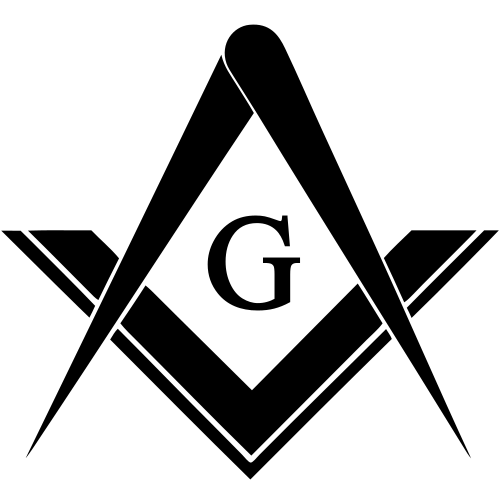
| 0 Comments | James Whitfield
Masonic symbols are rich in history and meaning, offering insights into the beliefs and practices of Freemasonry. From the iconic Square and Compasses to the enigmatic All-Seeing Eye, these symbols serve as tools for reflection, teaching, and understanding within the Masonic tradition. This article delves into the various Masonic symbols, their meanings, and their cultural significance across different societies. Whether you’re a Freemason seeking deeper knowledge or simply curious about these intriguing symbols, this guide will illuminate the complexities and beauty of Masonic symbolism, providing a foundation for further exploration.

Introduction to Masonic Symbols
Masonic symbols are integral to Freemasonry, serving as visual representations that convey the teachings, values, and history of the organization. These symbols communicate ideas among Freemasons and connect members to the rich heritage of the fraternity. From the square and compasses to the all-seeing eye, each emblem holds specific meanings steeped in tradition.
The historical context of Masonic symbolism dates back to the 16th and 17th centuries. During this time, symbols taught moral lessons and helped members remember the rituals and principles of their craft. They distinguished members of the fraternity from others, providing a sense of identity and belonging. Today, Masonic symbols continue to play a vital role within Freemasonry, used in ceremonies and fostering unity among members worldwide.
The All-Seeing Eye
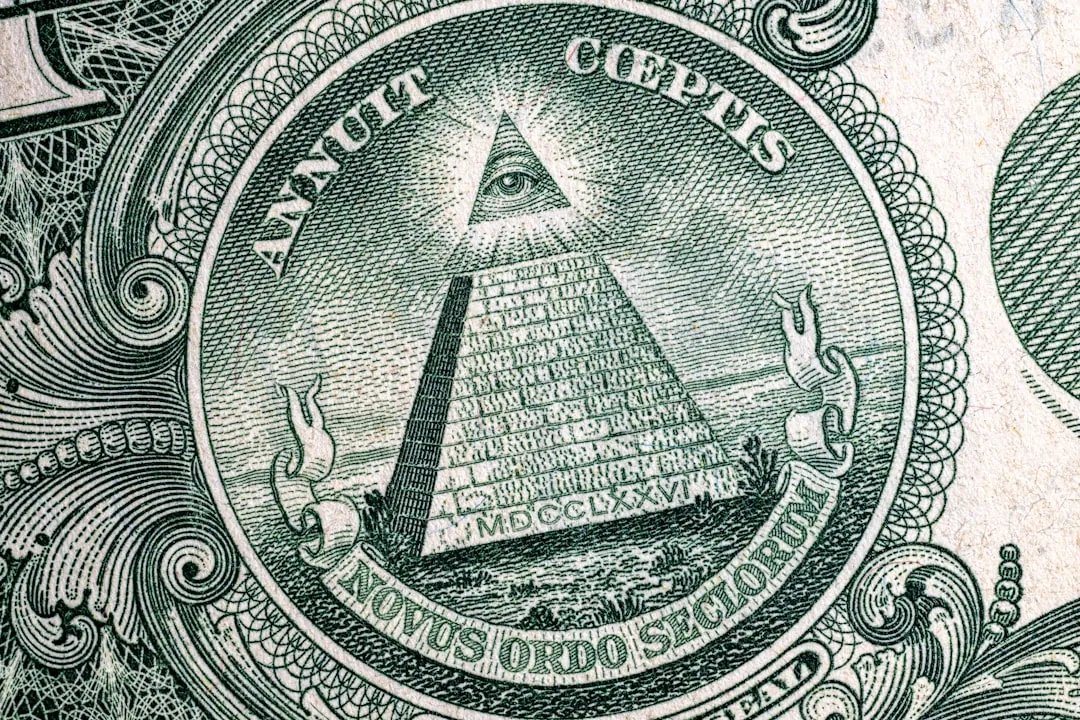
The All-Seeing Eye, often depicted as an eye enclosed within a triangle, is a prominent emblem in Masonic symbols. Its origins trace back to ancient civilizations where it symbolized divine watchfulness and spiritual insight. In Freemasonry, the All-Seeing Eye represents the Great Architect of the Universe, a force believed to oversee and guide humanity’s actions. This symbol reminds Masons of the omnipresent and omniscient nature of this higher power.
Symbolically, the All-Seeing Eye serves multiple interpretations within Masonry. It is associated with vigilance and moral integrity, encouraging Masons to live virtuous lives under the watchful gaze of the divine. Additionally, it signifies enlightenment and the pursuit of knowledge, aligning with the Masonic commitment to learning and self-improvement. Cultural representations of the All-Seeing Eye extend beyond the lodge, appearing on the reverse of the US dollar bill as a symbol of protection and providence. This incorporation into currency highlights its role as a symbol of trust and guidance. Its presence in modern culture, including Masonic symbols in everyday life and alleged sightings in places like Disney World, showcases its enduring influence and intrigue across different contexts.
The Letter G
The Letter G is a prominent symbol in Freemasonry, often seen within the iconic square and compass emblem. Its inclusion holds deep symbolic meanings, intertwining with the core values and teachings of the Masonic tradition. One primary interpretation of the Letter G relates to God, signifying the divine presence and the importance of spiritual beliefs within the fraternity. For Masons, the Letter G serves as a reminder of the Great Architect of the Universe, a term used to describe a higher power that guides the moral compass of its members.
Beyond its theological connotations, the Letter G embodies Geometry, reflecting Freemasonry’s historical connection to building and architecture. Geometry represents order, harmony, and design principles, all integral to Masonic teachings. This dual significance-relating to both God and Geometry-ensures that the Letter G plays a vital role in Masonic symbols and meanings as well as in the rituals of the fraternity. During Masonic rituals, the presence of the Letter G reinforces the interconnectedness of spiritual and earthly knowledge, urging members to seek truth and enlightenment through both divine inspiration and intellectual pursuit.
Square and Compasses
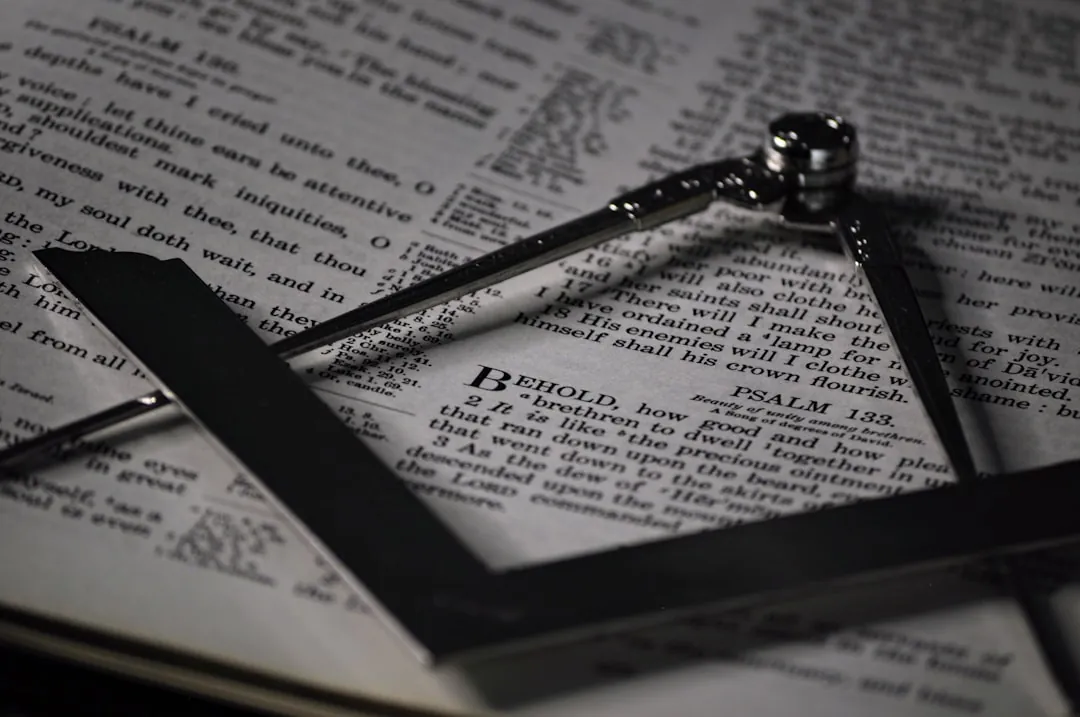
The Square and Compasses are perhaps the most recognizable of all Masonic symbols, embodying the essence of Freemasonry itself. Historically, these tools were essential to stonemasons, and their symbolic adoption reflects the craft’s ancient origins. The square, representing morality, guides Masons to conduct themselves with virtue, while the compasses symbolize the boundary of one’s actions, encouraging members to keep their desires within due bounds. Together, they form a powerful emblem of the balance between earthly actions and spiritual aspirations, a core tenet of Masonic philosophy.
Interpretations of the Square and Compasses can vary across different Masonic traditions, yet they universally underscore the importance of discipline and enlightenment. In some lodges, the letter ‘G’ is included within the compasses, representing both God and Geometry, underscoring the belief in a higher power and the importance of order and structure in the universe. This dual symbolism enriches the understanding of Masonic symbols and meanings, inviting members to reflect on the interplay between the material and the spiritual.
Practically, the Square and Compasses are not just symbolic but are actively used in Masonic rituals and ceremonies. They serve as a constant reminder of the ethical and moral guidelines that Masons strive to uphold. This emblem is often prominently displayed in Masonic lodges, and its imagery can be found on various items such as jewelry, regalia, and even tattoos. For those exploring the world of Masonic symbols in everyday life, the Square and Compasses offer a glimpse into the complex tapestry of symbolism in Masonry, echoing through history and into modern practice.
Want to learn more?
Common Masonic Symbols Explained
The world of Freemasonry is rich with symbolism, each emblem carrying deep meanings passed down through generations. Among the most common Masonic symbols are the Square and Compasses, the Eye of Providence, and the Masonic Apron. These symbols embody the principles and teachings of Masonry, guiding members in their personal and collective journeys. Understanding these symbols provides insight into the values of integrity, wisdom, and moral uprightness that Freemasons hold dear.
The Masonic Apron
The Masonic Apron is one of the most recognizable symbols in Freemasonry. Traditionally made of lambskin, it represents purity and the commitment to uphold virtuous behavior. During rituals, the apron reminds Masons of their duties to themselves and to others. Its significance is both historical and practical, symbolizing the labor and service central to Masonic teachings. The apron’s design often features other Masonic symbols, which can be explored in Masonic symbols images found in various lodges.
The Level
The Level is a tool emblematic of equality and fairness in Freemasonry. It reminds Masons that, regardless of their social or economic status, all members meet on the level, emphasizing the fraternity’s core belief in equality. This symbol is often seen in Masonic symbols on US currency and in other representations, underscoring its importance in promoting balance and fairness in all dealings. The Level’s message resonates with those who strive to live a life of integrity and impartiality.
The Rough and Perfect Ashlar
The Rough and Perfect Ashlar symbolize the Mason’s personal transformation. The Rough Ashlar represents the Mason at the beginning of their journey, unrefined and full of potential. In contrast, the Perfect Ashlar symbolizes the outcome of diligent self-improvement and education. This transformation is at the heart of Masonic philosophy, demonstrating the power of growth and learning. These stones are often illustrated in Masonic symbols images and testify to the continuous journey of self-improvement that Freemasons undertake.
Cultural Significance of Masonic Symbols
Masonic symbols have woven their way into various cultural tapestries, influencing societies across the globe in both subtle and profound ways. These symbols, central to Freemasonry, embody ideals of morality, knowledge, and brotherhood, resonating with universal themes that transcend boundaries. Masonic symbols can be found in diverse cultural contexts, serving as a bridge between the ancient traditions of Freemasonry and contemporary cultural expressions.
In many cultures, Masonic symbols have been adapted or reinterpreted to align with local customs and beliefs. For instance, the Square and Compasses, one of the most recognized Masonic symbols, might be incorporated into architectural designs or public artworks, blending seamlessly with regional aesthetics while retaining its symbolic meaning of guiding moral conduct. Similarly, ancient Masonic symbols have found their way into popular media and entertainment, visible in films and literature, often sparking curiosity and intrigue about their deeper meanings.
Modern Interpretations and Relevance
Today, Masonic symbols continue to hold cultural significance, reflecting both historical roots and modern adaptations. Their presence is observed in unexpected places, from Masonic symbols in Disney World attractions to intricate designs on US currency, hinting at a legacy of influence and mystery. The symbols also inspire personal expressions, such as 32 Masonic symbols tattoos, where individuals seek to embody the values these symbols represent.
Their adaptability and enduring appeal highlight how Masonic symbols can serve as a lens through which we explore the connections between past traditions and present-day interpretations. As society evolves, these symbols remain relevant, offering a rich tapestry of meanings that continue to captivate those who encounter them, whether in public spaces or in more intimate settings.
Comparison of Masonic Symbols Across Different Traditions
Masonic symbols hold varied interpretations across different Masonic traditions, each with its unique rites and practices. While the overarching themes of morality and fraternity are central to Freemasonry, the symbols used can differ significantly. For instance, the Square and Compasses, a quintessential Masonic symbol, holds a similar meaning across traditions as a representation of morality and virtue. However, specific interpretations can diverge among the Scottish Rite and the York Rite, two prominent branches of Freemasonry. The Scottish Rite, known for its elaborate rituals and degrees, often incorporates a more esoteric understanding of symbols, reflecting the rich tapestry of symbolism in Masonry.
Cultural influences play a significant role in the variation of Masonic symbols. In European lodges, ancient Masonic symbols might be more prevalent, often drawing from medieval stonemasonry tools and Gothic architecture. On the other hand, American Freemasonry, while maintaining these traditional symbols, may reflect motifs found in national emblems, such as those seen in Masonic symbols on US currency. This cultural adaptation extends to Masonic symbols in everyday life, where symbols can subtly integrate into popular culture, as observed with alleged Masonic symbols in Disney World or Washington DC.
Despite these variations, many Masonic symbols share core meanings that transcend individual traditions. The emphasis on enlightenment, truth, and the pursuit of knowledge remains central to most interpretations. For example, the Eye of Providence symbolizes divine watchfulness and guidance, a theme echoed in various Masonic symbols and meanings. Such shared symbolism fosters a sense of universal brotherhood among Freemasons, bridging the differences between distinct rites and cultures. This shared understanding is often depicted in Masonic symbols images and lists, serving as a testament to the enduring legacy of these ancient symbols.
Practical Applications of Masonic Symbols in Modern Society
Masonic symbols have long transcended their origins, finding practical applications in various facets of modern society. These symbols, deeply rooted in the traditions of Freemasonry, often appear in art and design, where they convey mystery and historical depth. Artists and designers appreciate the rich symbolism in Masonry, incorporating elements like the Square and Compass or the All-Seeing Eye into their works to evoke curiosity and invite interpretation. This usage adds an intriguing aesthetic and prompts discussion about the meanings behind these ancient Masonic symbols.
Beyond art, Masonic symbols are prominently featured in public spaces, including on currency. For instance, the Eye of Providence-a symbol commonly associated with Freemasonry-can be seen on the US one-dollar bill. This presence of Masonic symbols on money highlights their enduring influence and the subtle ways they permeate everyday life. Furthermore, Masonic symbols are found in various iconic locations, such as Washington DC, where the city’s layout and architecture reportedly incorporate these motifs. Such integration affirms the historical significance and ongoing relevance of these symbols in shaping cultural and civic landscapes.
Influence on Popular Culture and Media
In addition to their physical presence, Masonic symbols have significantly influenced popular culture and media. Movies, books, and television series often feature these symbols to add layers of mystery and intrigue to their narratives. This portrayal contributes to the fascination with Masonic symbols and their meanings, encouraging audiences to explore the stories and traditions behind them. Moreover, references to Masonic symbols can be found in unexpected places, such as in theme parks like Disney World, where they serve as subtle nods to the enigmatic world of Freemasonry.
Frequently Asked Questions about Masonic Symbols
Masonic symbols are often surrounded by a cloud of mystery and curiosity. A common misconception is that these symbols are solely secretive or exclusive to Freemasonry. In reality, many of these symbols, such as the square and compasses, have meanings rooted in ancient traditions and convey universal truths about morality, integrity, and the search for knowledge. Freemasonry symbols are not confined to the lodges; they frequently appear in various aspects of everyday life, including architecture and even on certain currencies, such as the Masonic symbols on U.S. currency.
One popular question is about the significance of the number 32 in Masonic symbolism. The 32 Masonic symbols often relate to the Scottish Rite, where the 32nd degree represents a significant milestone in a Mason’s journey. Additionally, many wonder about the presence of Masonic symbols in Washington D.C. and Disney World, which reflect the influence of Masonic ideals in shaping cultural landmarks. Another intriguing topic is the meaning behind Masonic hand symbols, which are often used for recognition among members. For those intrigued by these symbols, exploring the symbolism in Masonry can offer a rich tapestry of history and philosophy that extends far beyond the often misunderstood imagery.
FAQ
What do Masonic symbols represent?
Masonic symbols are rich in meaning and tradition, representing a wide range of moral and ethical lessons central to Freemasonry. These symbols, such as the square and compass, encapsulate complex philosophical ideas into simple, visual forms that are easy to understand. For instance, the square is associated with fairness and honesty, while the compass represents boundaries and self-control. Together, they provide guidance for personal development and ethical conduct.
Through these symbols, Freemasons are encouraged to reflect on their own moral principles and strive for improvement. The symbols serve as a constant reminder of the virtues that members should aspire to, fostering a deeper understanding of one’s duties to oneself and society.
How are Masonic symbols used in rituals?
Masonic symbols play a crucial role in Masonic rituals, acting as teaching tools that convey important lessons about life and personal growth. During these ceremonies, symbols such as the apron, trowel, and plumb line illustrate concepts like purity, brotherly love, and uprightness. Each symbol serves as a metaphor for the qualities that Freemasons are encouraged to cultivate.
These rituals are designed to be both educational and transformative, helping members internalize the moral and ethical teachings of Freemasonry. By engaging with these symbols, participants are reminded of the values they should uphold, reinforcing their commitment to personal development and ethical behavior.
Are Masonic symbols the same in all countries?
While many Masonic symbols are universally recognized, such as the square and compass, their interpretations and usages can vary significantly across different countries and Masonic traditions. Each jurisdiction may have its unique practices and symbolic meanings that reflect its cultural and historical context.
For example, the interpretation of symbols might differ between the United States and European countries, leading to variations in Masonic rituals and teachings. Despite these differences, the core values and principles that the symbols represent-such as integrity, brotherhood, and self-improvement-remain consistent, fostering a shared understanding among Freemasons worldwide.
What is the origin of the Masonic symbols?
The origins of Masonic symbols trace back to the medieval stonemasons who built the great cathedrals and castles of Europe. These craftsmen used various symbols as tools of their trade and as a way to communicate complex ideas. Over time, these symbols were adopted by the Masonic fraternity and imbued with deeper moral and philosophical meanings.
As Freemasonry evolved, these symbols were further developed to embody the teachings and principles of the organization. Today, they serve as a link to the past, connecting modern Freemasons with the rich history and traditions of their predecessors while continuing to provide guidance and inspiration for personal growth and ethical living.
How do Masonic symbols appear in modern culture?
Masonic symbols have found their way into various aspects of modern culture, often appearing in architecture, art, and even popular media. Buildings designed with Masonic symbolism, such as the All-Seeing Eye or the Square and Compass, can be found in many cities worldwide, subtly conveying messages of enlightenment and unity.
In art and literature, these symbols spark curiosity and discussion about their meanings and implications. Additionally, movies and television shows sometimes incorporate Masonic imagery, further piquing public interest and leading to a broader awareness of Freemasonry and its teachings. This presence in modern culture helps keep the conversation about Masonic values and principles alive.
