 English
  Italiano
The history of Freemasonry is a fascinating journey that spans centuries and crosses cultural boundaries. From its mysterious origins to its profound influence on society, Freemasonry has evolved into a complex organization. This article delves into the rich tapestry of Freemasonry’s history, exploring its key milestones, notable figures, and the interpretations and beliefs that have emerged over time. Whether you’re a curious newcomer or a seasoned enthusiast, this overview will provide valuable insights into the enduring legacy of Freemasonry.
Introduction to Freemasonry
Freemasonry, often shrouded in mystery and intrigue, is one of the world’s oldest and largest fraternal organizations. At its core, Freemasonry is built on principles of brotherhood, charity, and truth. Members, known as Freemasons, are encouraged to pursue moral and personal development through allegorical teachings and rituals. The origins of Freemasonry trace back to the stonemason guilds of the Middle Ages, although some theories suggest even older beginnings linked to the Knights Templar.
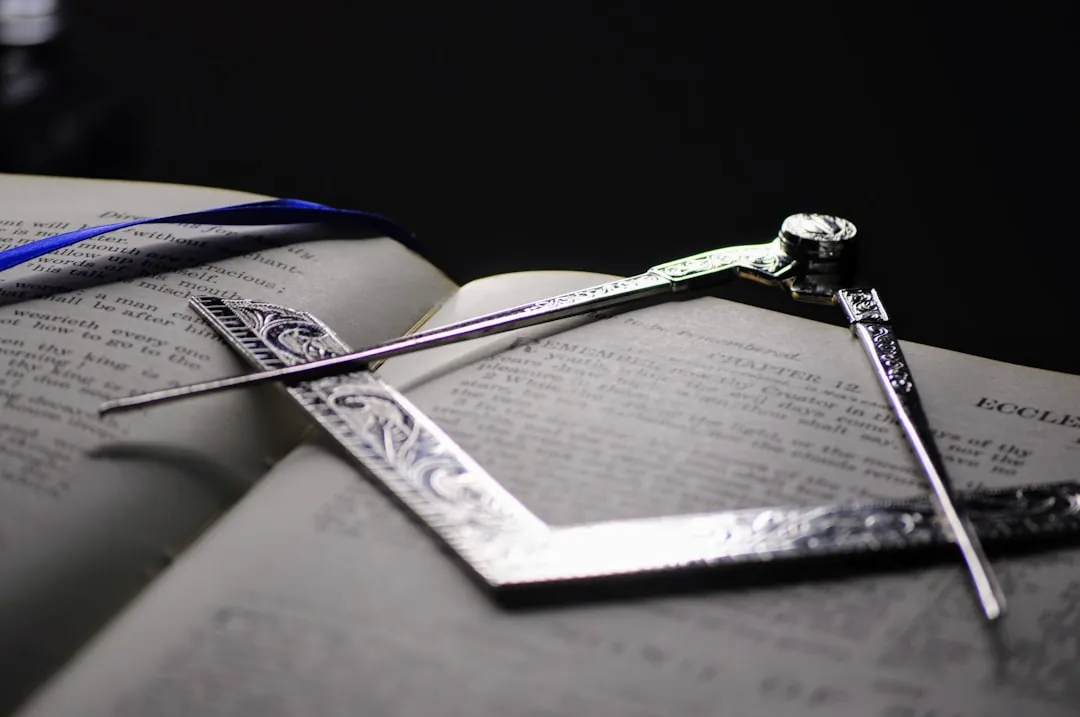
A distinctive aspect of Freemasonry is its rich use of symbolism. Symbols such as the square and compass, the all-seeing eye, and the letter ‘G’ are integral to Masonic teachings, each offering profound moral lessons. These symbols serve as visual metaphors, guiding members on their journey towards enlightenment and self-improvement. This symbolic language captivates many, inspiring numerous History of Freemasonry books and scholarly discussions.
Today, Freemasonry boasts a significant global presence, with lodges established in many countries across continents. Whether exploring the history of Freemasonry in the United States or the unique development of the history of Freemasonry in the Philippines, it is clear that the organization has adapted and thrived in diverse cultural settings. Despite varying practices and rituals, the essential ethos of Freemasonry remains consistent, emphasizing the universal values of unity and brotherhood.
Origin Myths and Theories
The origins of Freemasonry are shrouded in mystery and intrigue, with theories attempting to uncover its beginnings. While the precise genesis remains elusive, the historical context suggests a fascinating evolution. Freemasonry’s roots are often traced back to the Middle Ages, a period marked by the construction of the grand cathedrals of Europe. During this time, stonemasons formed guilds that eventually evolved into the modern Masonic lodges we know today. These guilds not only laid the literal foundations of these architectural marvels but also the symbolic bedrock of Freemason beliefs.
One captivating theory about Freemasonry’s origins links it to ancient civilizations such as Egypt and Greece. Proponents argue that the symbols and rituals of Freemasonry echo the mysteries of these ancient cultures, suggesting a lineage that spans millennia. Another theory posits a connection between Freemasonry and the Knights Templar, a medieval Christian military order. According to this narrative, after the Templars were suppressed in the early 14th century, surviving members supposedly found refuge in Masonic lodges, infusing them with their esoteric knowledge and traditions. This theory, while debated, adds allure and mystique to the history of Freemasonry, enticing both scholars and enthusiasts to delve deeper into its enigmatic past.
Freemasonry in Different Cultures
Freemasonry, known for its secretive rituals and rich symbolism, has made a significant impact on various cultures across the globe. From its early beginnings in Europe, the fraternity spread rapidly, finding fertile ground in the United States and beyond. In each locale, Freemasonry has intertwined with local customs and narratives, creating a tapestry of cultural interpretations. This adaptation ensured its survival and enriched the societies it touched.
In the Philippines, Freemasonry played a unique role in the nation’s history. Introduced in the late 19th century, it became a vehicle for reform and revolution. Filipino nationalists used Masonic lodges as a safe haven to plot the overthrow of colonial rule. This adaptation of Freemasonry reflected a blend of traditional Masonic principles with a vigorous push for independence, showcasing the fraternity’s flexibility and influence.
Freemasonry and Its Influence on American Society
In America, Freemasonry has been more than just a fraternal organization; it has been a significant social force. Many Founding Fathers, including George Washington and Benjamin Franklin, were Freemasons, and their beliefs in liberty and equality helped shape the nascent nation’s ethos. The fraternity acted as a networking hub, offering members a shared set of values and an influential platform for political and social action, which played a crucial role in the evolution of Freemasonry as a cornerstone of American society.
Freemasonry in Scotland: A Historical Perspective
Scotland holds a special place in the history of Freemasonry, often cited as the birthplace of modern speculative Freemasonry. Scottish lodges, dating back to the 16th century, were pivotal in shaping the rituals and customs that would define the fraternity. The evolution of Freemasonry in Scotland was marked by a blend of operative stonemason traditions and new philosophical ideas, which later spread to other parts of the world. This rich heritage underscores Scotland’s profound influence on the global Masonic community.
The Development of Grand Lodge Freemasonry
The development of Grand Lodge Freemasonry marks a pivotal chapter in the history of Freemasonry. It began with the formation of the Grand Lodge of England in 1717, an event that significantly influenced the freemasonry timeline. This establishment laid the groundwork for the organized structure that defines Freemasonry today. The Grand Lodge of England was born out of a unification of four London lodges, which aimed to bring order and standardization to Masonic practices. This evolution of Freemasonry was driven by an aspiration to create a centralized authority to oversee and regulate the activities of individual lodges.
Key figures such as Anthony Sayer, the first Grand Master, and Dr. James Anderson, who authored the Constitutions of the Free-Masons, were instrumental in shaping the early years of Grand Lodge Freemasonry. Their contributions not only solidified the foundation of Freemasonry but also enriched its ritualistic and philosophical teachings. The establishment of Grand Lodges introduced a hierarchical structure that expanded across the globe, influencing the history of Freemasonry in the United States and beyond. This system allowed for a unified approach to Masonic rituals and governance, which helped maintain the integrity and continuity of Freemason beliefs. As Grand Lodges spread, they played a crucial role in the globalization of Freemasonry, adapting to local cultures while preserving the core tenets of the fraternity.
Explore the rich history of Freemasonry and uncover the secrets of this fascinating organization.
Key Historical Figures in Freemasonry
George Washington: A Freemason’s Legacy
George Washington, the first President of the United States, stands as one of the most renowned figures in the history of Freemasonry. Initiated into the Fredericksburg Lodge No. 4 in Virginia in 1752, Washington’s involvement with Freemasonry was not just ceremonial. His leadership and values, deeply rooted in Masonic principles, significantly influenced the political landscape of the nascent United States. As a Freemason, Washington promoted ideals of liberty and fraternity, which were crucial during the formation of the nation. His legacy is celebrated in Masonic lodges across the country, symbolizing the enduring connection between Freemasonry and American history.
Benjamin Franklin’s Masonic Journey
Benjamin Franklin’s engagement with Freemasonry began in 1731, and his influence extended far beyond the confines of his lodge. As a prominent member of the Masonic community, Franklin’s efforts were pivotal in shaping both the organization and broader society. His role in the creation of the “History of Freemasonry book” and his diplomatic ventures in Europe showcase his commitment to Masonic values. Franklin’s contributions to science, literature, and politics were often infused with Masonic ideals, underscoring the impact Freemasonry had on cultural and intellectual development during the Enlightenment era.
Throughout history, other notable Freemasons have made significant cultural contributions. Figures like Wolfgang Amadeus Mozart and Voltaire have left indelible marks on music and philosophy, respectively. Their affiliation with Freemasonry highlights the organization’s broad influence across various domains. The evolution of Freemasonry has seen its members play crucial roles not only in politics but also in societal transformation, embodying the principles of equality and personal enlightenment.
Freemasonry’s Influence on Society
Freemasonry has played a pivotal role in shaping societal change, particularly during the Enlightenment. This period marked a time when Freemason lodges became a hub for intellectuals and thinkers who sought to challenge traditional norms and promote rational thought. The history of Freemasonry shows that its members were often at the forefront of progressive ideas, advocating for freedom of speech, equality, and scientific inquiry. The influence of Freemasonry during this era is undeniable, as its principles of liberty, fraternity, and equality resonated with the transformative ideals of the time.
Beyond the Enlightenment, Freemasonry’s impact extended into social and political movements. Many influential figures, including politicians and social reformers, were Freemasons who used their platforms to advocate for significant societal changes. For instance, Freemasonry played a subtle yet crucial role in the American Revolution, with many key figures being members of the brotherhood. Similarly, the evolution of Freemasonry can be traced through its involvement in movements advocating for civil rights and democratic governance. Despite these contributions, Freemasonry has often been shrouded in mystery, leading to cultural interpretations and misconceptions. These misunderstandings have sometimes overshadowed its genuine efforts to contribute positively to society, as seen in the various History of Freemasonry books and even The History of Freemasonry PDF documents that attempt to demystify the organization.
Freemasonry in the 19th and 20th Centuries
The history of freemasonry in the 19th and 20th centuries is marked by significant transformations as it navigated a rapidly changing world. During this era, Freemasonry adapted to social changes, responding to the evolving political and cultural landscapes. As industrialization and urbanization reshaped societies, the organization found new ways to maintain its relevance. The lodges began to attract a diverse membership, including intellectuals and professionals who were drawn to its ideals of fraternity and enlightenment. This period of adaptation was crucial for Freemasonry’s survival and growth, ensuring that it continued to be a significant social institution.
However, the evolution of freemasonry was not without its challenges. The world wars of the 20th century had a profound impact, with many lodges experiencing a decline in membership as men went off to fight. The wars also spurred a wave of anti-Masonic sentiment, particularly in regimes that viewed the organization as a threat to their authoritarian rule. Despite these challenges, Freemasonry demonstrated resilience and an ability to modernize. It embraced new technologies and communication methods, which helped to broaden its appeal and reach new audiences. These efforts at modernization not only helped Freemasonry survive but also ensured its continued influence in various parts of the world, including the United States and the Philippines.
Modern Freemasonry: Trends and Changes
In today’s world, Freemasonry finds itself at a crossroads. The history of Freemasonry is rich with tradition, but contemporary challenges have emerged that require adaptation and resilience. One significant challenge is the declining membership numbers, a trend seen in many traditional organizations. This decline is partially attributed to the aging demographic of current members and the difficulty in attracting younger generations who are often less interested in joining such structured societies. Additionally, Freemasonry must contend with the rapid pace of technological change, which can both aid and hinder their operations.
Despite these challenges, there is a noticeable rise in new Masonic organizations that aim to rejuvenate interest and involvement among potential members. These groups often experiment with modern approaches to community engagement, leveraging social media and other digital platforms to reach a wider audience. This evolution of Freemasonry reflects an ongoing commitment to remaining relevant in a changing world. The emergence of these new organizations suggests a healthy adaptability that could help sustain Masonic traditions well into the future.
Looking ahead, the future prospects for Freemasonry appear promising, provided the organization continues to evolve. By embracing changes and addressing contemporary challenges, Freemasonry can maintain its historical relevance while appealing to a new generation. This means not only preserving the rich traditions and beliefs of Freemasonry but also being open to new interpretations and roles in modern society. As the timeline of Freemasonry unfolds, its capacity to innovate while holding onto its core values will be crucial for its ongoing vitality.

FAQ
What is the story behind the Freemasons?
The story of the Freemasons begins in the Middle Ages with the formation of stonemason guilds. These guilds were essential to the construction of cathedrals and other significant structures across Europe. Over time, these groups evolved into a fraternal organization known as Freemasonry, focusing on philosophical and moral teachings.
Freemasonry expanded rapidly in the 17th and 18th centuries, embracing speculative members who were not stonemasons. This shift allowed Freemasonry to focus on personal development and ethical improvement, offering a space for intellectual discussion and mutual support.
Today, Freemasonry is known for its distinctive rituals and symbols, which reflect its origins and values. It remains a symbol of brotherhood and enlightenment, attracting individuals interested in its rich heritage and moral teachings.
What are the core beliefs of Freemasonry?
Freemasonry is built on a foundation of core values that promote personal and social development. At its heart, Freemasonry emphasizes integrity, encouraging members to adhere to high moral and ethical standards in all aspects of life. Charity is another cornerstone, with Freemasons actively engaging in philanthropic activities to support their communities.
Brotherhood is perhaps the most notable belief, fostering a sense of camaraderie and mutual support among members. This fraternal bond is strengthened through shared rituals and traditions, which reinforce the principles of equality and respect.
Ultimately, Freemasonry encourages continuous self-improvement and reflection, guiding members to become better individuals and contributing positively to society.
How has Freemasonry evolved over the years?
Freemasonry has undergone significant transformation since its inception, adapting to the cultural and social changes of various eras. Initially rooted in the operative stonemason guilds, Freemasonry transitioned into a speculative and philosophical organization in the 17th century, welcoming members from diverse professions.
Throughout history, Freemasonry has responded to societal shifts, such as the Enlightenment, by embracing ideals of reason, scientific inquiry, and individual rights. This adaptability has allowed it to remain relevant and influential in different cultural contexts.
Despite these changes, Freemasonry has maintained its core principles of moral integrity, charity, and brotherhood, ensuring its continued appeal and influence across the globe.
What role did Freemasonry play in historical events?
Freemasonry has played a significant role in several key historical events, notably during the American Revolution and the Enlightenment. Many founding fathers of the United States, including George Washington and Benjamin Franklin, were Freemasons, and their Masonic values influenced the formation of the nation.
During the Enlightenment, Freemasonry provided a platform for intellectual exchange and the promotion of scientific and philosophical ideas, contributing to the era’s progressive thinking. It served as a meeting ground for influential figures who shaped modern democratic ideals.
In addition to these notable events, Freemasonry has been involved in various social and cultural movements, often advocating for human rights and social justice, reflecting its commitment to ethical and moral advancement.
Are there different types of Freemasonry?
Yes, Freemasonry encompasses various branches and rites, each with its unique practices and beliefs. The most commonly known branches include the Ancient and Accepted Scottish Rite and the York Rite, both of which offer distinct paths of progression and ritualistic practices.
In addition to these, there are numerous other Masonic orders and appendant bodies, such as the Shriners and the Order of the Eastern Star, each with specific focuses and charitable endeavors. These variations allow members to explore different aspects of Freemasonry according to their interests.
Despite these differences, all branches share core Masonic principles of brotherhood, charity, and moral integrity, ensuring a unified commitment to the foundational values of Freemasonry.